
Where boutiques get their inventory
01
Wholesale apparel suppliers
Ready-made clothing and accessories at trade pricing, usually with a minimum per style or per pack. The fastest way to fill a rack.
02
B2B marketplaces
FashionGo, Faire and NuOrder gather hundreds of wholesale brands in one place, which makes discovery and small first orders easier. The marketplace is not the vendor, so vet each brand on its own.
03
Private label
A manufacturer makes pieces to your spec with your label in them. Higher minimums and longer lead times, but nobody else has your product.
04
Trade shows
Shows like MAGIC, Agenda, AmericasMart, Dallas Market Center and the California Market Center let you see and feel the pieces and negotiate in person. Check each show's dates and buyer requirements before you travel.
What to ask every clothing supplier
- The size run: which sizes come in a pack, and in what ratio.
- The per-piece price at two quantities, so you know what reordering will cost.
- The return policy on defects, in writing.
- Production and shipping time for your first order.
- Which payment methods they accept.
The size-run test
Boutique tip
Order one size run from three different suppliers before you commit to any of them. Fit and fabric vary wildly between factories, and returns will eat your margin faster than anything else in this business.
Do you need a business license to buy wholesale?
Trade shows, and many wholesale suppliers, ask for buyer registration plus a business license or a resale certificate before they will sell to you at trade pricing. Requirements vary by state and by vendor, so check with each one, and with your state, before you apply.
Vet every supplier before money moves
The same 12 checks that keep hair buyers safe work for clothing: a real address, a quick reply, the minimum in writing, real photos, a payment method with buyer protection, quoted shipping, a written defect policy, and a paid sample.
Instant red flags
Payment only by wire, Zelle, crypto or gift card. No address anywhere. A brand-new website with an enormous catalog. Prices 70% below everyone else. Pressure to order today. A "discount" for paying outside the platform. Any one of these: walk away, no matter how good the pictures look.
Free
The Vendor Vault
50 link-checked sourcing sites, the 12-check vetting protocol and these email scripts, as one PDF.
When you want more
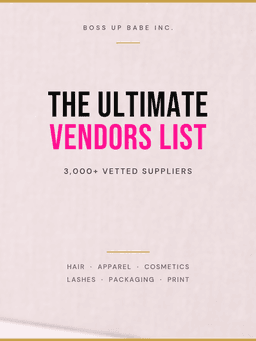
The Ultimate Vendors List
3,000+ verified vendors for hair, clothing, cosmetics, and more.
Questions people ask
Where do boutiques get their inventory?+
From wholesale apparel suppliers, B2B marketplaces such as FashionGo and Faire, private-label manufacturers, and wholesale trade shows such as MAGIC, AmericasMart and Dallas Market Center.
How do I find legitimate wholesale suppliers?+
Ask for the minimum order quantity, size run, per-piece pricing and defect policy in writing; pay with a method that has buyer protection; search the business name plus "scam"; and order a paid sample before any bulk order.
Do I need a business license to buy wholesale clothing?+
Often, yes. Trade shows and many wholesale suppliers ask for a business license or resale certificate before they sell at trade pricing. Requirements vary by state and by vendor.
How many suppliers should a new boutique start with?+
Sample at least three. Order one size run from each, compare fit and fabric side by side, and only then commit to the ones that hold up.
Read next
How to Find Legit Hair Vendors (and Spot a Scam Before You Pay)
The 12 checks to run before you pay a hair vendor, the red flags that mean walk away, and what to ask for first.
What to Say to a Vendor: 3 Copy-and-Paste Emails
The exact emails for first contact, ordering after a good sample, and fixing a bad order. Change the brackets and send.
General business guidance, not legal, tax or financial advice. Vendor sites change often: re-check any link and vet any supplier yourself before money moves.